Popular Posts

Cheapest Tank Sizes for Beginners

Intro:


The Cheapest Tank Sizes for Beginners (And Why Bigger Is Often Cheaper)

Starting an aquarium is exciting—but if you’re on a budget, choosing the right tank size can make or break your experience.

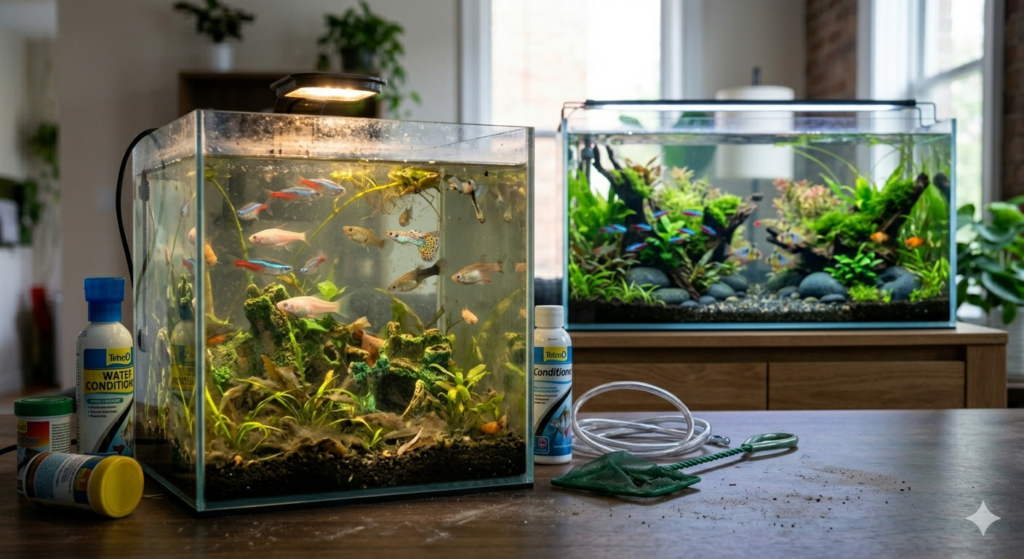
Most beginners assume that smaller tanks are cheaper, but that’s only partly true. While small aquariums cost less upfront, they can actually become more expensive in the long run due to maintenance, fish loss, and frequent upgrades.

In this guide, you’ll learn:
  • The cheapest aquarium sizes for beginners
  • The real cost behind small vs large tanks
  • Why bigger tanks are often the smarter investment

🐠 Understanding Aquarium Tank Sizes

Aquarium tanks are usually measured in gallons (US) or liters. Here’s a quick breakdown:

  • 5–10 gallons (20–40 liters) → Nano tanks
  • 10–30 gallons (40–120 liters) → Medium tanks
  • 30–50+ gallons (120–200+ liters) → Large beginner tanks

Each size comes with its own costs, challenges, and benefits.


💰 The Cheapest Tank Sizes for Beginners

1. Small Tanks (5–10 Gallons)

Best for: Tight budgets, small spaces, minimal fish

Pros:

  • Lowest upfront cost
  • Requires less water and fewer materials
  • Easy to place anywhere

Cons:

  • Water parameters change very quickly
  • High maintenance for beginners
  • Limited fish options
  • Mistakes can be fatal for fish

👉 While these tanks look cheap, they are not beginner-friendly. Even a small mistake like overfeeding can lead to water toxicity.


2. Medium Tanks (10–30 Gallons) — Best Value

Best for: Most beginners

Pros:

  • Affordable and widely available
  • Stable water conditions
  • Suitable for small fish communities
  • Easier to maintain than small tanks

Cons:

  • Slightly higher initial cost
  • Requires a bit more space

👉 This is the sweet spot for beginners. You get a balance of affordability and stability.


3. Larger Beginner Tanks (30–50+ Gallons)

Best for: Serious beginners who want fewer problems

Pros:

  • Highly stable environment
  • Lower risk of sudden issues
  • More fish options and better aquascaping

Cons:

  • Higher upfront cost
  • Needs more space and stronger support

👉 Although these tanks cost more initially, they are often cheaper over time.


🤯 Why Bigger Tanks Are Often Cheaper

This is where most beginners get surprised.

1. Stability Saves Money

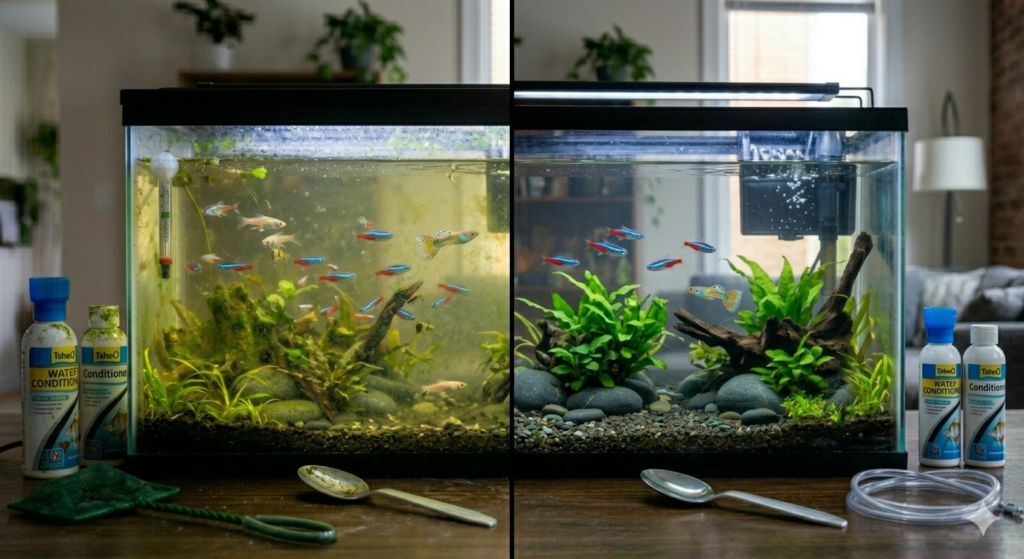
In larger tanks, water conditions change slowly. Waste, chemicals, and toxins are diluted more effectively.

That means:

  • Fewer fish deaths
  • Less need for emergency fixes
  • Reduced stress on fish

👉 Healthy fish = no replacement cost


2. Fewer Maintenance Mistakes

Small tanks are extremely sensitive. A tiny mistake can cause major problems.

In larger tanks:

  • Overfeeding has less impact
  • Waste builds up slower
  • You have time to fix problems

👉 This reduces spending on:

  • Water treatments
  • Replacement equipment
  • New fish

3. Lower Long-Term Costs

Even though large tanks use more water and equipment, they save money by:

  • Reducing frequent maintenance
  • Preventing crashes
  • Minimizing losses

👉 Over time, you actually spend less money.


4. Avoiding the Upgrade Trap

Most beginners start small and quickly realize:

“I need a bigger tank.”

So they upgrade—and spend money twice.

👉 Starting with a medium or larger tank avoids this hidden cost.


📊 Cost Comparison Table

Tank SizeUpfront CostMaintenanceRisk LevelLong-Term Cost
5–10 galVery LowHighHighMedium–High
10–30 galLow–MediumModerateLowLow
30–50+ galMediumLowVery LowLowest

🧠 Best Tank Size for Beginners on a Budget

If you want the cheapest overall setup, not just upfront:

👉 Go for 20–30 gallons (75–120 liters)

Why?

  • Affordable price
  • Stable water conditions
  • Beginner-friendly
  • Low long-term cost

If your budget allows:
👉 Choose 30–40 gallons for even better results

💡 Money-Saving Tips for Beginners

1. Buy a Tank Kit

Starter kits often include:

  • Filter
  • Lights
  • Heater

👉 Cheaper than buying separately


2. Choose Hardy Fish

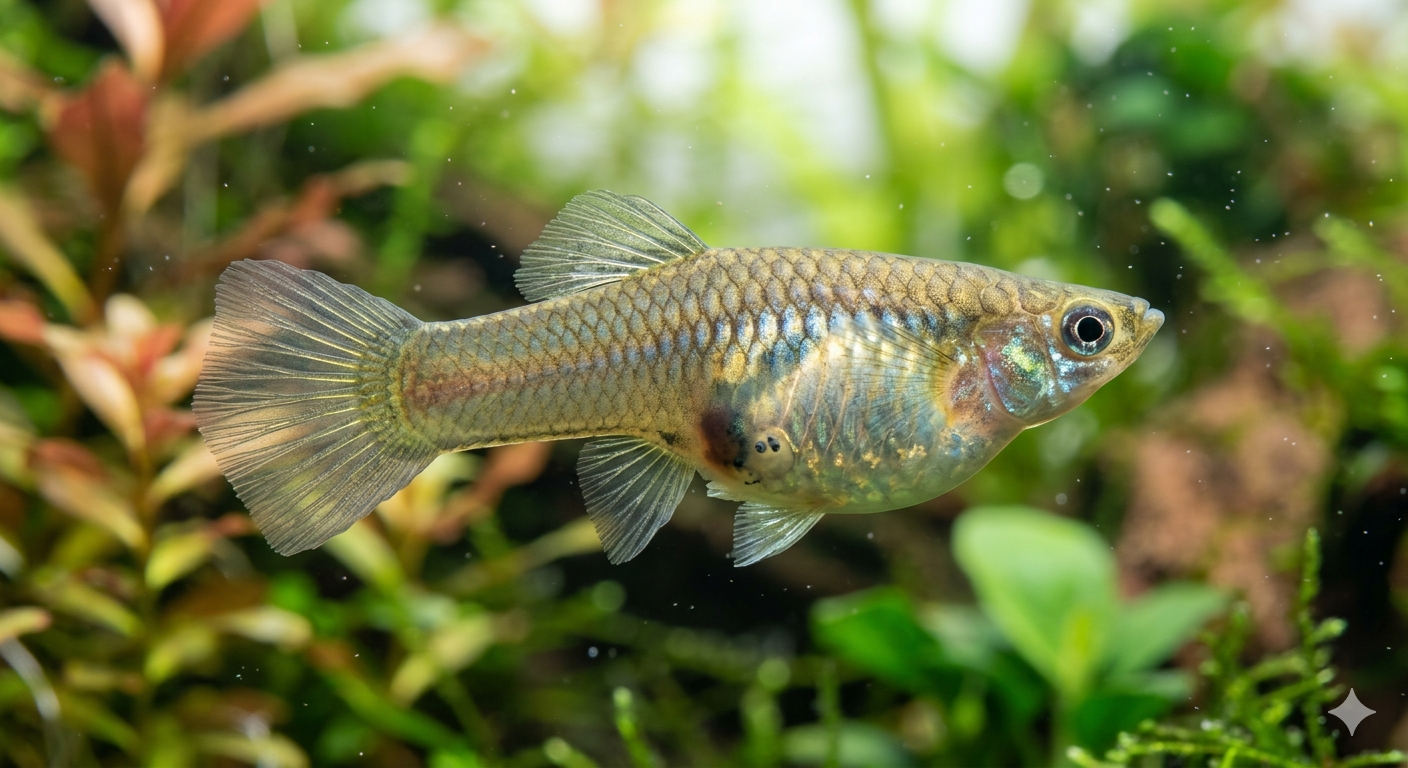
Beginner-friendly fish (like guppies or tetras) are:

  • More forgiving
  • Less likely to die

👉 Saves replacement costs


3. Avoid Overcrowding

Too many fish = more waste = more problems

👉 Stick to recommended stocking levels


4. Invest in a Good Filter

A quality filter reduces:

  • Cleaning frequency
  • Water issues

👉 Saves money long-term


5. Be Patient

Rushing leads to:

  • Fish deaths
  • Water problems

👉 Let your tank cycle properly


🚫 Common Beginner Mistakes

  • Choosing the smallest tank to save money
  • Overfeeding fish
  • Adding too many fish too quickly
  • Skipping water testing

👉 Avoiding these mistakes can save a lot of money


🐟 Final Thoughts

When it comes to aquariums, cheap doesn’t always mean affordable.

Small tanks may look budget-friendly, but they often lead to:

  • More maintenance
  • Higher risk
  • Extra costs

On the other hand, medium to larger tanks provide:

  • Stability
  • Ease of care
  • Long-term savings

✅ Golden Rule

Buy the biggest tank you can afford and fit in your space.

Because in fishkeeping:
  • Small tanks are cheap today but expensive tomorrow
  • Bigger tanks are expensive today but cheaper over time

🔍 SEO Keywords (for your reference)

  • cheapest aquarium tank for beginners
  • best aquarium size for beginners
  • small vs large aquarium cost
  • beginner fish tank budget setup
  • why bigger aquariums are better

Leave a Reply

Your email address will not be published. Required fields are marked *