Maintaining good water quality is essential for a healthy aquarium, but testing water doesn’t have to be expensive. Whether you’re a beginner or running a low-cost setup, there are budget-friendly ways to monitor your aquarium water, including both free observation methods and affordable test kits.
In this SEO-optimized guide, we’ll compare free methods vs cheap test kits and help you decide the best approach for budget water testing.
💡 Why Water Testing Matters
Water quality directly affects your fish and plants. Testing helps you monitor:
✔ Ammonia levels
✔ Nitrite levels
✔ Nitrate levels
✔ pH balance
✔ Overall tank stability
Poor water conditions can lead to stress, disease, or even fish death.
🆓 Free Methods of Water Testing
Free methods rely on observation and natural indicators rather than equipment.
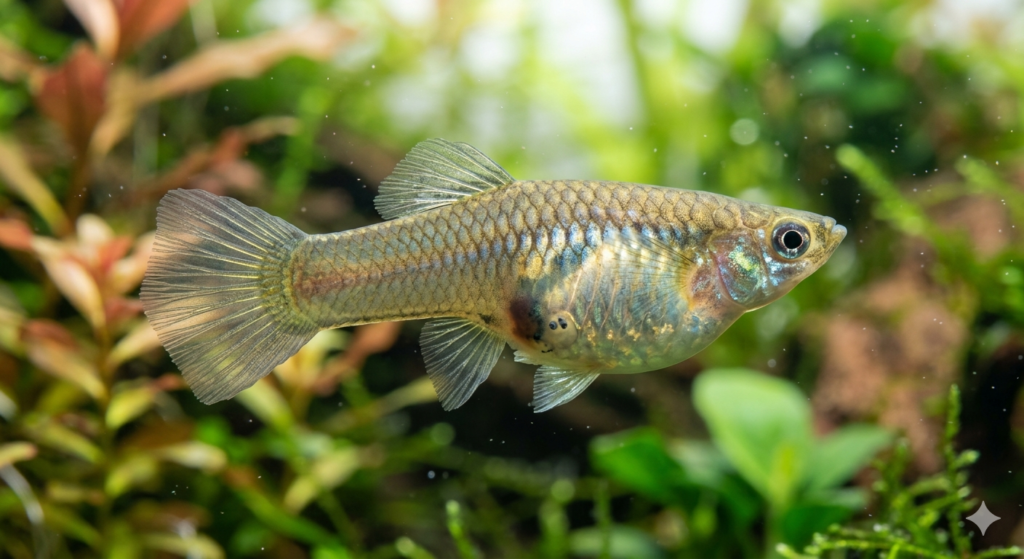
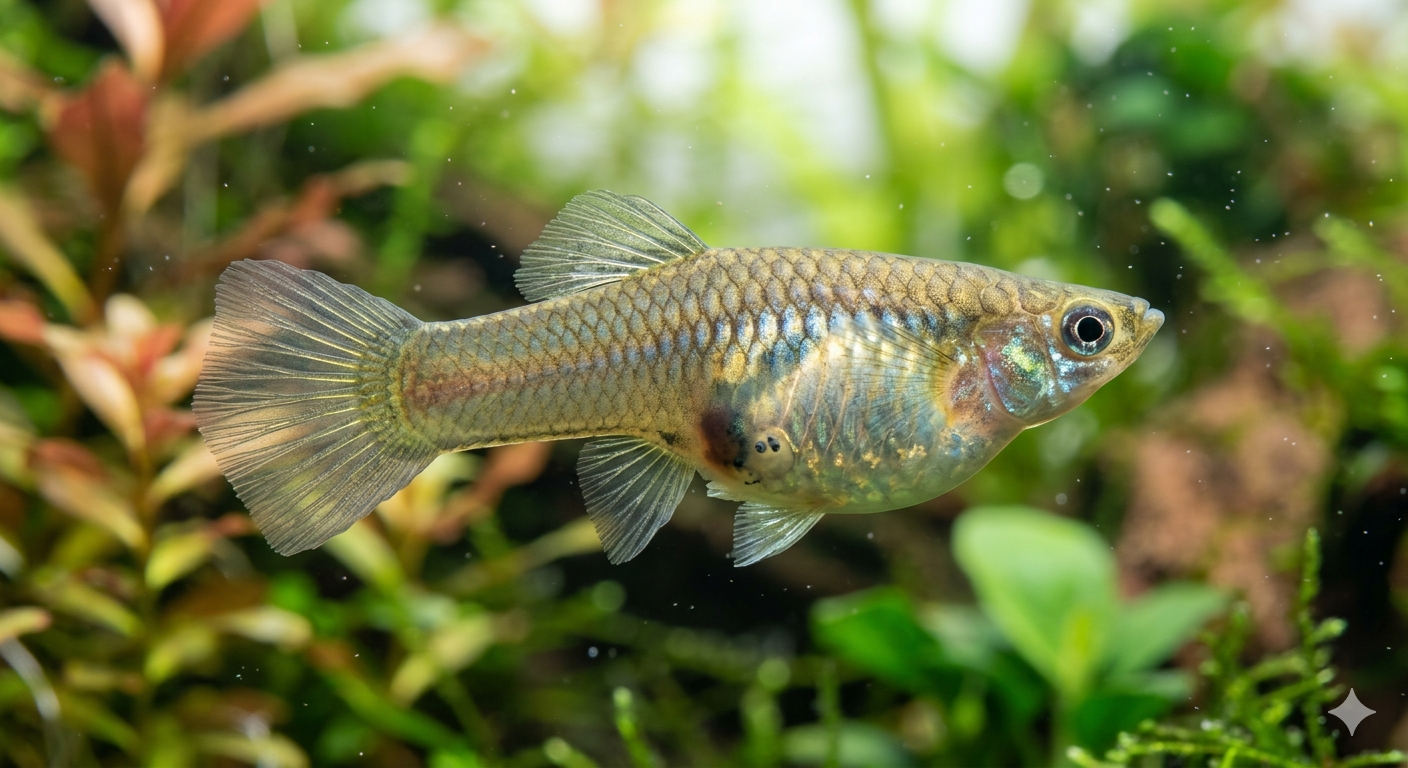
👀 1. Fish Behavior Observation
Healthy fish usually:
Swim actively
Eat regularly
Show bright colors
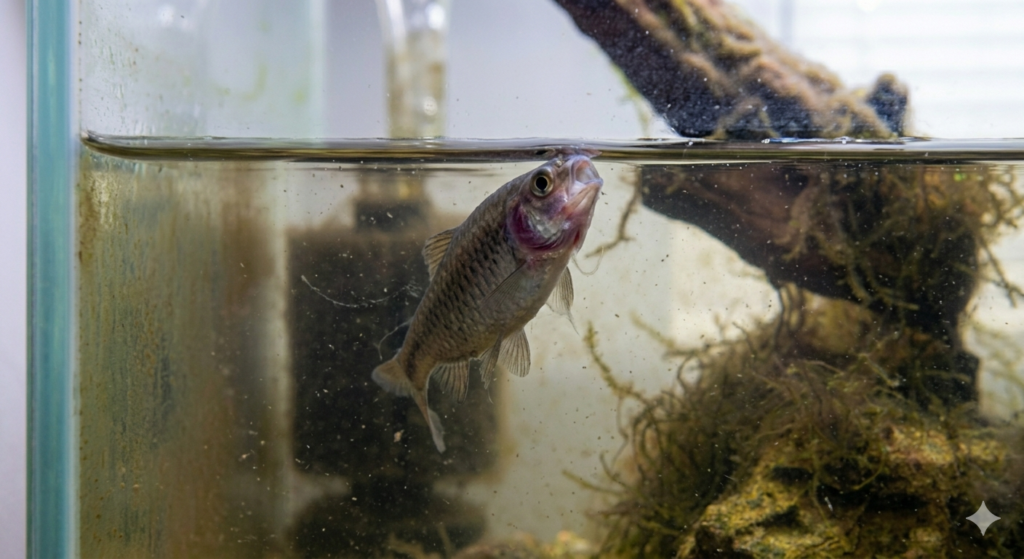
Signs of poor water quality:
Lethargy
Gasping at the surface
Loss of appetite
Erratic swimming
💡 Fish behavior is often the first indicator of water problems.
🌿 2. Plant Health Indicators
If you have live plants:
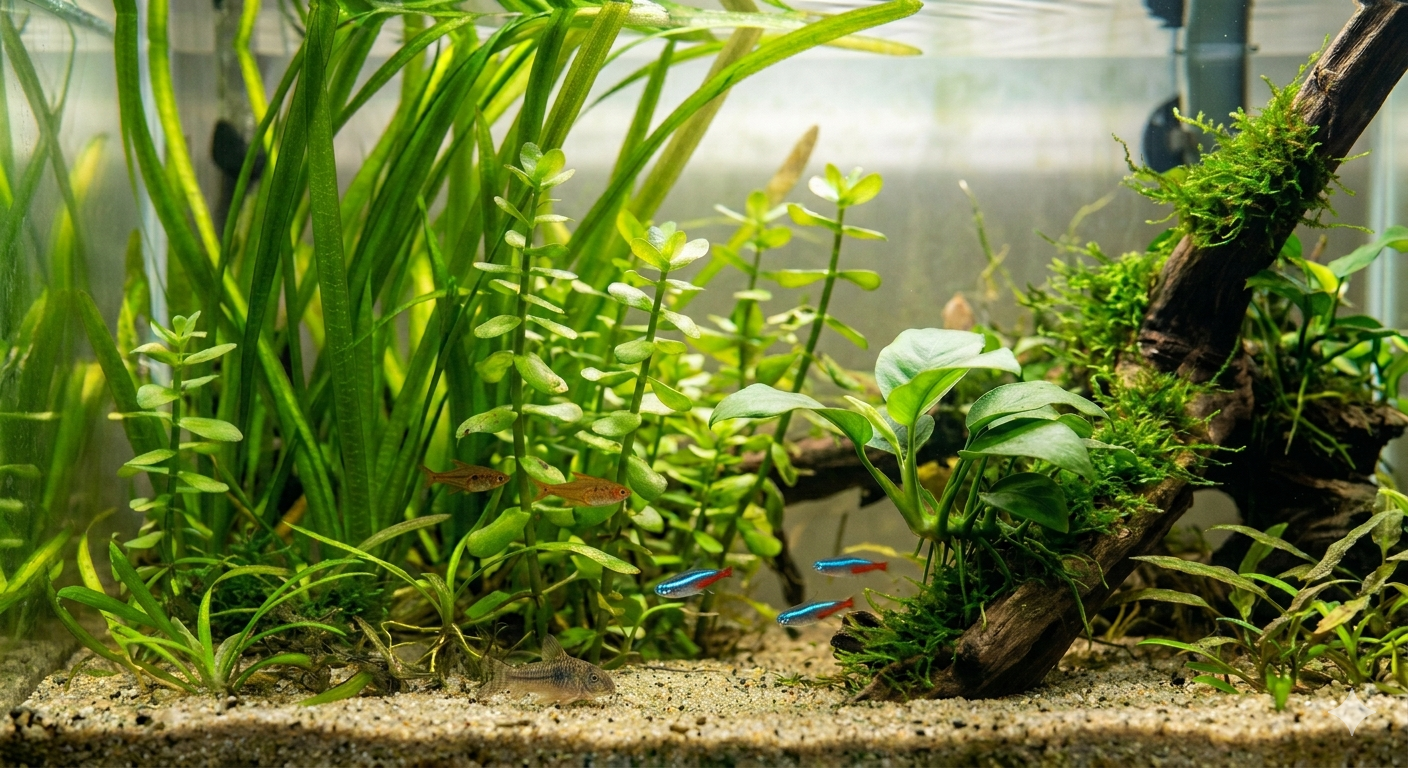
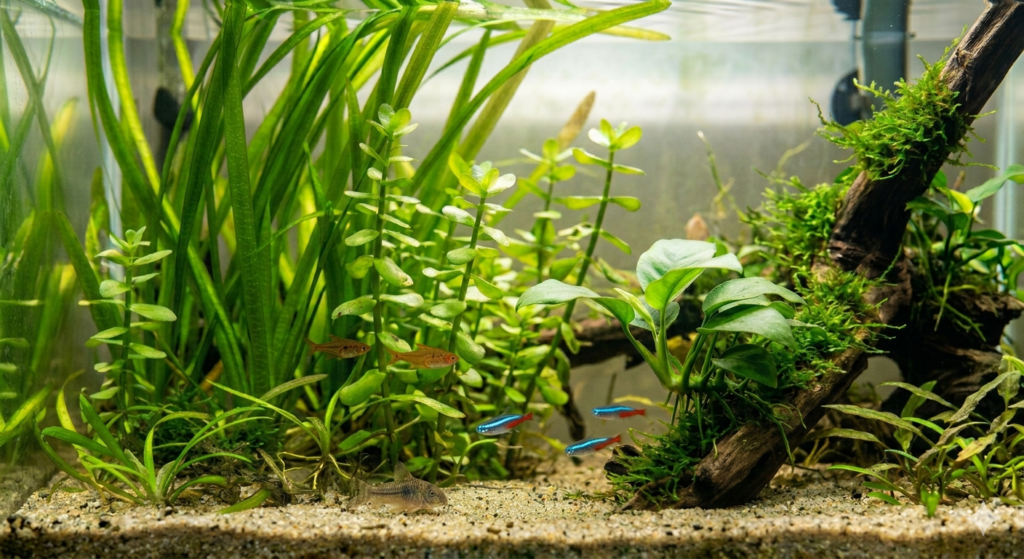
Healthy green growth = good water conditions
Yellowing leaves = possible nutrient imbalance
Melting or decay = unstable environment
Plants can act as natural water quality indicators.
👃 3. Smell Test
Clean aquarium water should have little to no smell
A strong, unpleasant odor may indicate waste buildup or poor filtration
👁️ 4. Visual Water Clarity
Clear water usually indicates balanced conditions
Cloudy or green water may signal bacteria or algae issues
🧪 Cheap Aquarium Test Kits
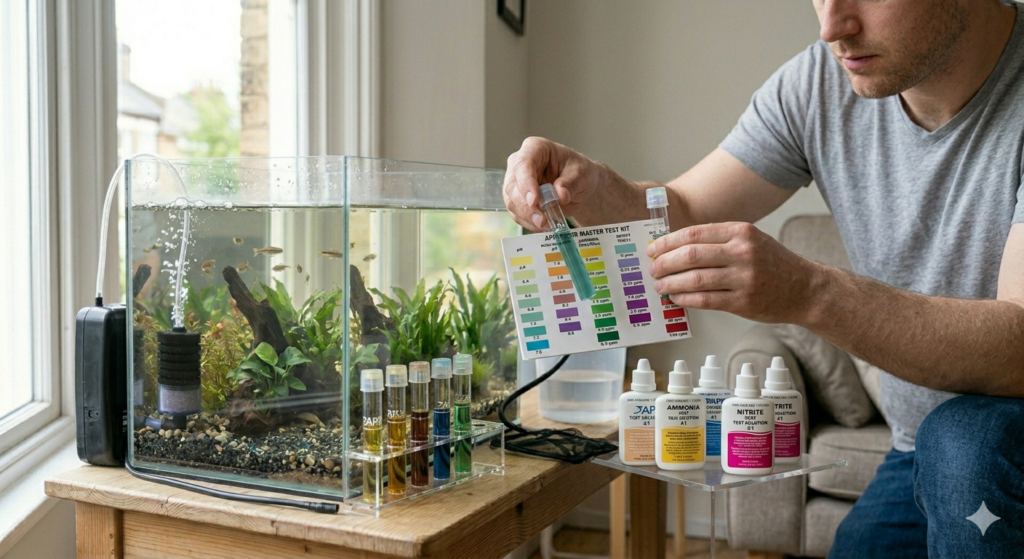
Affordable test kits provide more accurate and measurable data compared to observation alone.
Common Budget Test Kits:
Liquid test kits (more accurate than strips)
Test strips (quick and easy but less precise)
Multi-parameter kits (cover several parameters at once)
💡 These kits are widely available at low cost and are reusable for multiple tests.
⚖️ Free Methods vs Cheap Test Kits (Comparison)
Accuracy
Free methods: Low to moderate
Test kits: High accuracy
Cost
Free methods: No cost
Test kits: Small upfront cost
Ease of Use
Free methods: Very easy
Test kits: Require instructions but still beginner-friendly
Reliability
Free methods: Subjective (based on observation)
Test kits: Objective (measurable results)
Best Use Case
Free methods: Daily monitoring
Test kits: Periodic confirmation and troubleshooting
🛠️ When to Use Each Method
Use Free Methods When:
Monitoring fish daily
Checking general tank health
Running a simple low-tech aquarium
Observing early warning signs
Use Cheap Test Kits When:
Cycling a new aquarium
Diagnosing problems
Adding new fish
Maintaining sensitive species
Verifying water parameters
🌿 Budget Water Testing Strategy
For a low-cost aquarium:
Use observation as your daily monitoring tool
Perform regular water changes
Invest in at least a basic test kit for ammonia, nitrite, and nitrate
Combine both methods for best results
💡 This hybrid approach keeps costs low while maintaining accuracy.
❌ Common Mistakes to Avoid
Relying only on visual appearance
Ignoring early warning signs from fish behavior
Overusing test kits unnecessarily
Skipping regular maintenance
Not understanding test results properly
🎯 Final Thoughts
Budget water testing doesn’t mean compromising on aquarium health. Free methods like observation and plant health indicators are great for daily monitoring, while cheap test kits provide precise data when needed.
By combining both approaches, you can maintain a stable, healthy aquarium without spending much money.
 1
1