Adding CO₂ (carbon dioxide) to your aquarium can dramatically improve plant growth, color, and overall tank health. But many beginners assume CO₂ systems are expensive—when in reality, there are cheap and effective options available.
In this SEO-optimized guide, we’ll compare DIY yeast CO₂ vs bought CO₂ systems, helping you choose the best budget-friendly solution for your planted tank.
💡 Why Do Aquarium Plants Need CO₂?
CO₂ is essential for photosynthesis. In aquariums:
Plants use CO₂ to grow and stay healthy
More CO₂ = faster growth and better colors
Low CO₂ = slow growth and algae problems
💡 Even a small boost in CO₂ can make a noticeable difference.
🧪 Option 1: DIY Yeast CO₂ System (Ultra Budget)
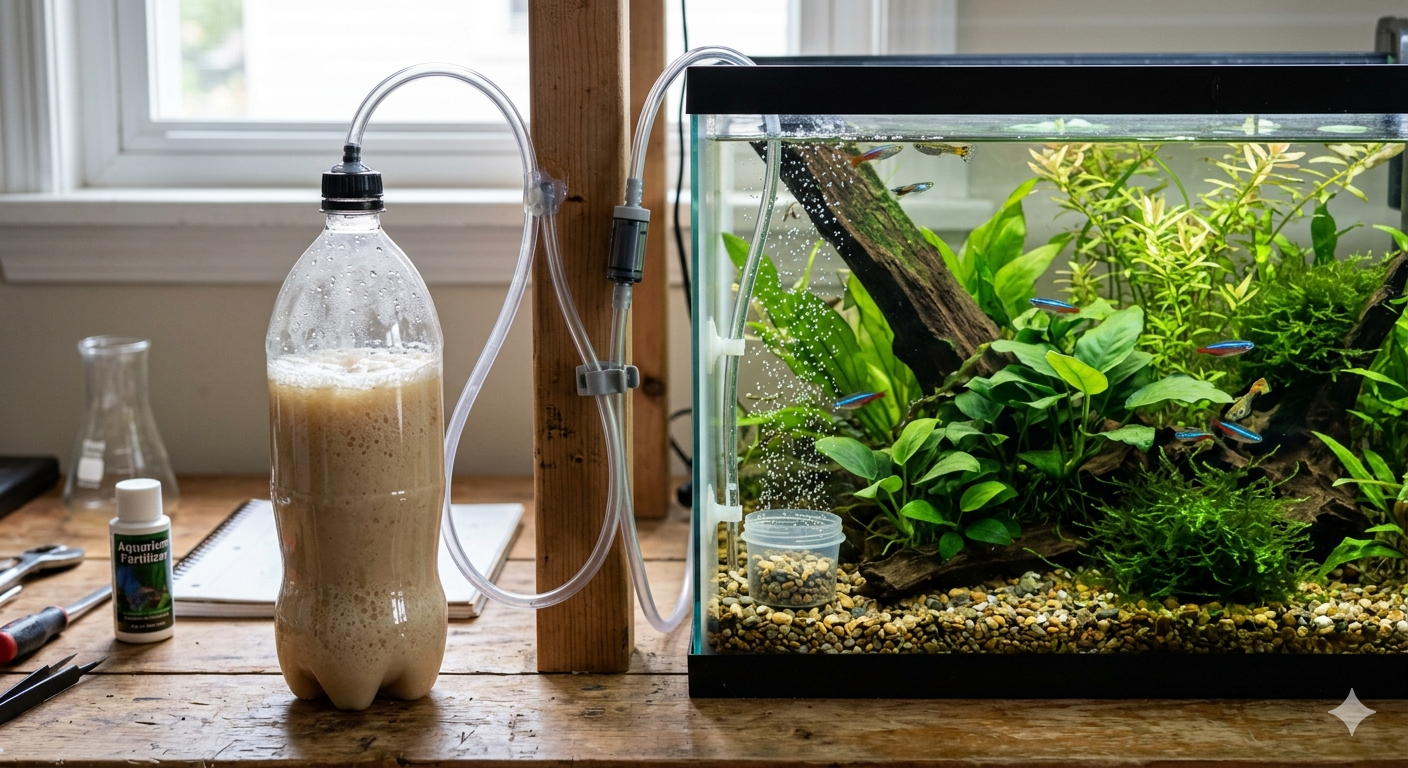
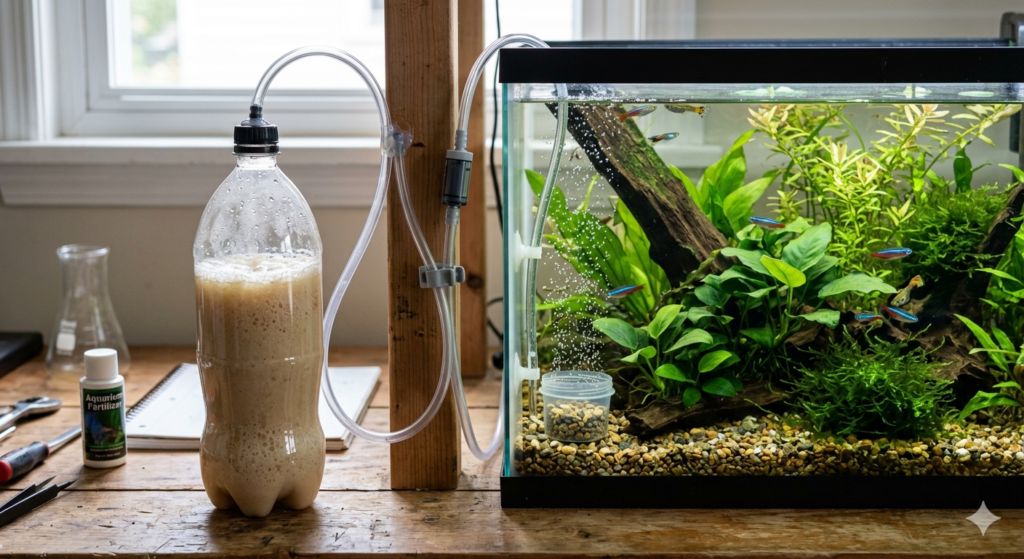
The DIY yeast method is the cheapest way to add CO₂ to your aquarium.
🛠️ What You Need:
Plastic bottle (1–2 liters)
Sugar
Yeast
Tubing
Check valve (optional but recommended)
⚙️ How It Works:
Sugar + yeast fermentation produces CO₂
Gas travels through tubing into the aquarium
Plants absorb the CO₂ naturally
💰 Cost:
👉 $2–$5 (or almost free using household items)
✅ Pros:
Extremely cheap
Easy to set up
Great for beginners
No electricity needed
❌ Cons:
Inconsistent CO₂ output
Needs frequent refills (every 1–2 weeks)
Hard to control levels precisely
Can be messy if not sealed properly
🧴 Option 2: Budget CO₂ Systems (Store-Bought)
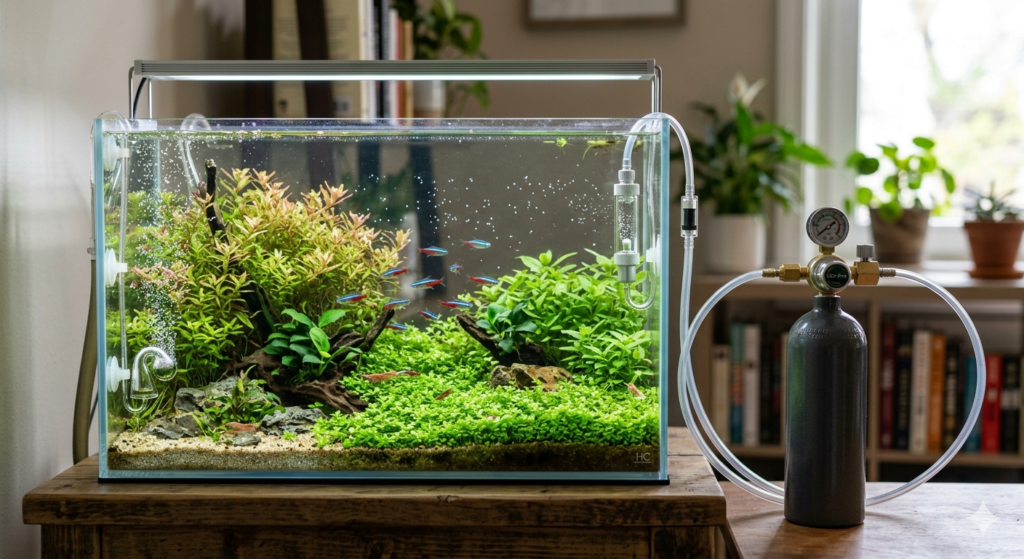
These are simple commercial CO₂ setups designed for small aquariums.
🛠️ What’s Included:
CO₂ cylinder or cartridge
Regulator
Tubing and diffuser
💰 Cost:
👉 $20–$60 (basic setups)
✅ Pros:
Stable and consistent CO₂ supply
Easy to control flow
Less maintenance than DIY
Cleaner and more reliable
❌ Cons:
Higher upfront cost
Requires refilling cartridges
Slight learning curve
⚖️ DIY Yeast vs Bought CO₂ Systems (Comparison)
Feature
DIY Yeast CO₂
Bought CO₂ System
Cost
$2–$5
$20–$60
Ease of Setup
Easy
Moderate
CO₂ Stability
Low
High
Maintenance
Frequent
Low
Control
Limited
Precise
Best For
Beginners, small tanks
Serious planted tanks
🌿 Which One Should You Choose?
👉 Choose DIY Yeast CO₂ if:
You’re on a very tight budget
You have a small tank (under 10 gallons)
You want to experiment with CO₂
👉 Choose a Bought CO₂ System if:
You want consistent plant growth
You have a medium-sized tank
You prefer low maintenance
🌱 Best Plants for Low-Cost CO₂ Systems
Even with cheap CO₂ setups, these plants thrive:
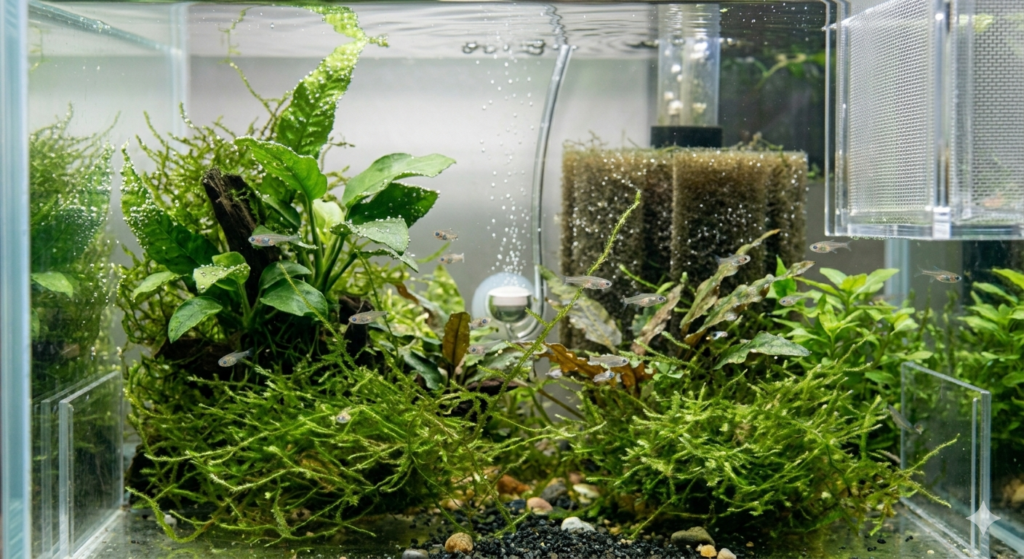
Java moss
Anubias
Bacopa
Vallisneria
Dwarf sag
💡 These plants benefit from CO₂ but don’t require high-tech setups.
💡 Tips for Using CO₂ Safely
Start with low CO₂ levels
Watch fish behavior (gasping = too much CO₂)
Use a diffuser for better absorption
Turn off CO₂ at night (optional for budget setups)
❌ Common Mistakes to Avoid
Adding too much CO₂ too quickly
Ignoring fish stress signals
Poor sealing in DIY systems (causes leaks)
Not maintaining consistent setup
Using CO₂ without proper lighting balance
🌟 Budget Alternatives to CO₂
If you don’t want CO₂ at all:
Add more live plants
Improve lighting
Use nutrient-rich substrate
Maintain good water quality
👉 Many beautiful tanks thrive without CO₂.
🎯 Final Thoughts
CO₂ doesn’t have to be expensive. Whether you choose a DIY yeast CO₂ system or a budget store-bought setup, both options can significantly improve your planted tank.
👉 If you’re just starting, DIY CO₂ is a great low-risk option. 👉 If you want better control and results, upgrading to a basic CO₂ system is worth it.
The key is finding the balance between cost, effort, and your aquarium goals.
 1
1