 11
11
Keeping fish healthy doesn’t have to mean expensive treatments or complicated solutions. Many common fish illnesses can be managed with simple, affordable, and natural methods—often using items you already have at home. Whether you’re caring for goldfish, bettas, or tropical aquarium species, understanding the basics of fish health can save both money and your aquatic pets.
This guide explores common fish diseases, their symptoms, and safe, natural remedies to help restore your fish to good health.
Before jumping into treatments, it’s important to understand why fish become ill in the first place. In most cases, disease is linked to poor water quality or stress.
Maintaining a clean and stable environment is the most effective “treatment” you can provide.
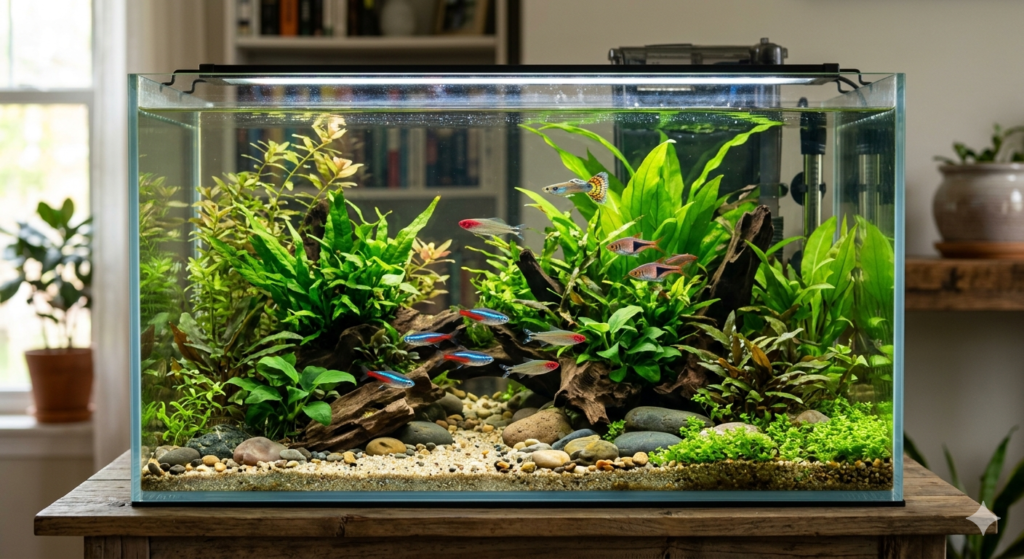
Fish can’t communicate directly, but they show clear physical and behavioral signs when something is wrong.
Early detection is key—treating problems at an early stage increases the chances of recovery.
Let’s look at some of the most frequent fish illnesses and how you can treat them using cost-effective, natural methods.
Symptoms:
Ich is one of the most common aquarium diseases, caused by a parasite.
Natural Treatment:
This combination disrupts the parasite’s life cycle and helps fish recover without expensive medication.
Symptoms:
Fin rot is often caused by bacteria thriving in poor water conditions.
Natural Treatment:
Clean water alone can often reverse mild cases.
Symptoms:
Fungal infections usually appear after injury or stress.
Natural Treatment:
Indian almond leaves release tannins that naturally fight fungal growth and improve water quality.
Symptoms:
This condition often results from overfeeding or constipation.
Natural Treatment:
Peas act as a natural laxative and often resolve the issue quickly.
Symptoms:
Dropsy is a serious condition linked to internal infections.
Natural Supportive Care:
While difficult to cure, early intervention can improve survival chances.

Symptoms:
Velvet is caused by a parasite and spreads quickly.
Natural Treatment:
Reducing light slows the parasite, while salt and heat help eliminate it.
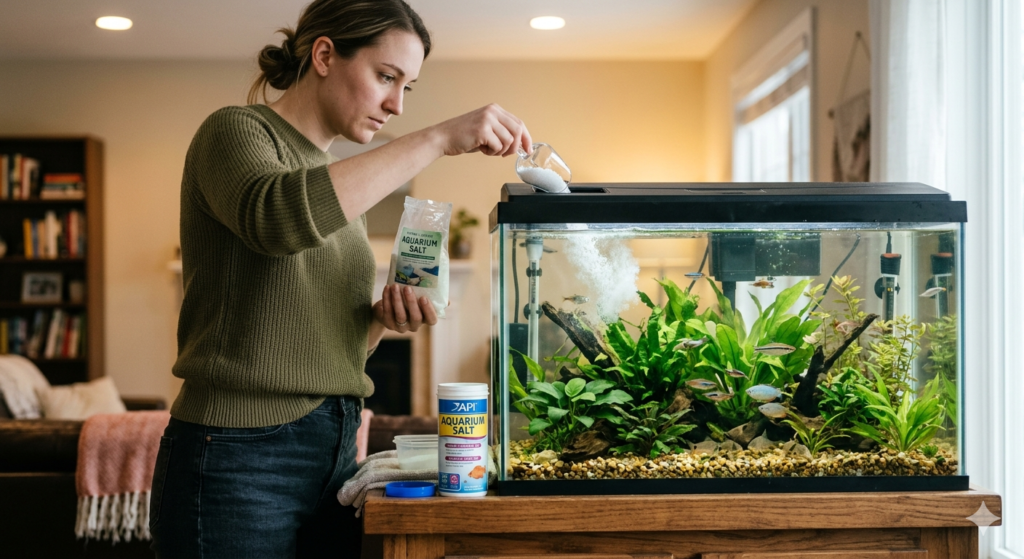
You don’t need a cabinet full of chemicals. These simple, natural remedies are highly effective:
One of the most versatile treatments:
Use in moderation and research species tolerance.
Frequent water changes are the most powerful remedy:
Aim for 20–30% weekly changes in most tanks.
A favorite among experienced aquarists:
They also give the water a slightly brown tint, which is beneficial for many species.
A balanced diet strengthens immunity:
Healthy fish are far less likely to get sick.
Stable temperature is crucial:
Stress from temperature changes is a major cause of illness.
Prevention is always easier—and cheaper—than treatment.
A well-maintained aquarium rarely faces serious disease outbreaks.
Natural treatments are effective for mild to moderate issues, but some situations require stronger intervention.
Consider commercial medication if:
Even then, combine medication with good water quality for best results.
Even well-meaning fish owners can make mistakes that worsen conditions:
Consistency and patience are key to successful treatment.
Caring for sick fish doesn’t have to be expensive or complicated. With simple, natural remedies like clean water, aquarium salt, and proper feeding, you can effectively treat many common fish diseases and keep your aquarium thriving.
By focusing on prevention, maintaining a stable environment, and acting quickly when problems arise, you’ll not only save money—you’ll also ensure a healthier, happier life for your fish.
If you’d like, I can also create Pinterest pins, meta descriptions, or featured image prompts to help this article rank faster on Google.