If you’re setting up a budget aquarium, one of the easiest ways to save money is by choosing the right substrate. The substrate not only affects the appearance of your tank but also plays a crucial role in plant growth and overall aquarium health.
In this SEO-optimized guide, we’ll explore natural substrate options that cost almost nothing, including soil, sand, and gravel. These materials are affordable, widely available, and perfect for beginners who want a beautiful aquarium without spending much.
💡 Why Substrate Matters in an Aquarium
The substrate is the layer at the bottom of your aquarium, and it serves several important functions:
✔ Anchors plants in place
✔ Provides surface area for beneficial bacteria
✔ Affects water chemistry (in some cases)
✔ Enhances the visual appeal of the tank
✔ Supports fish and invertebrate behavior
Choosing the right substrate can make a big difference in the success of your aquarium.
🌱 1. Soil (Aquarium Soil or DIY Natural Soil)
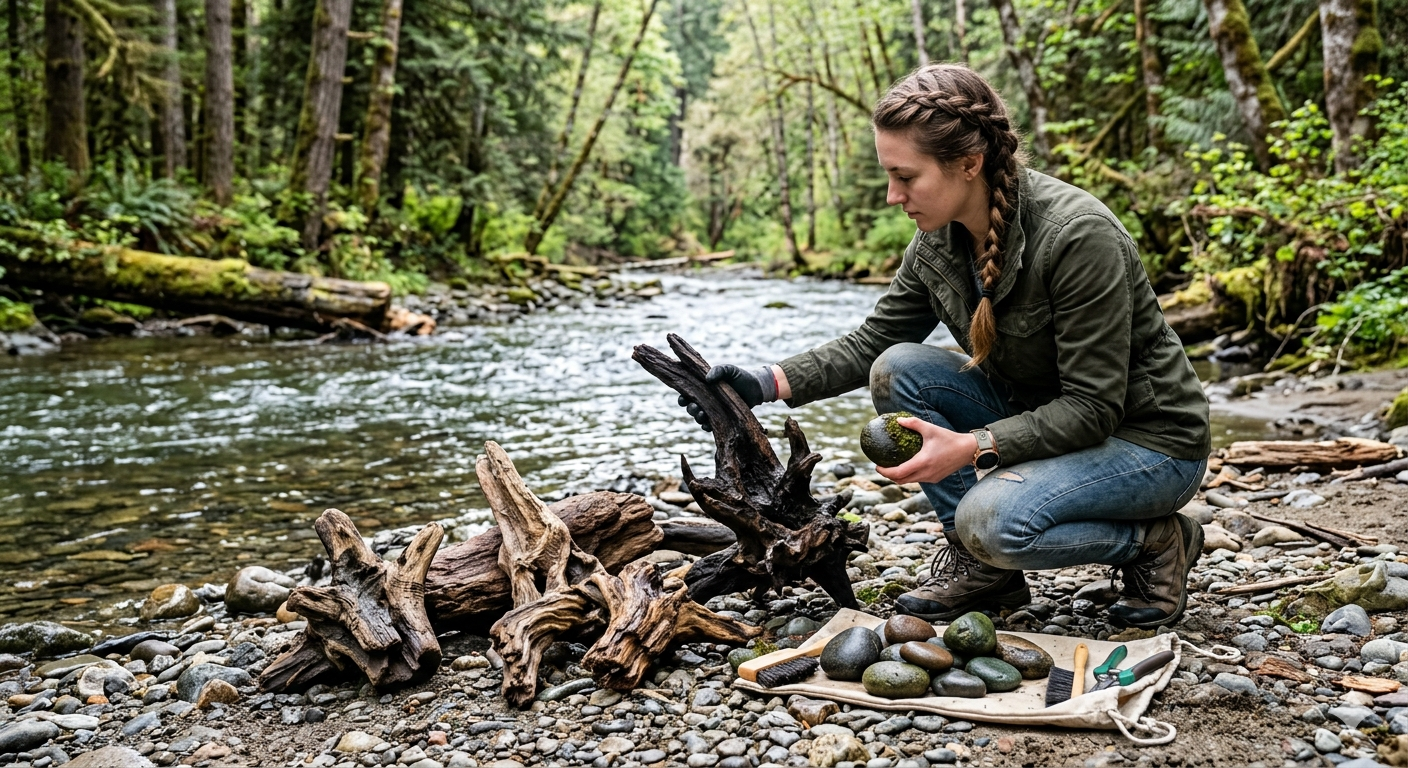
Soil is one of the best options for planted tanks and can often be sourced cheaply or even for free (with proper preparation).
Benefits:
Rich in nutrients for plant growth
Ideal for heavily planted aquariums
Promotes strong root development
Long-lasting fertility
Types of Soil:
Aquarium-specific soil (slightly more expensive but optimized)
DIY organic garden soil (must be prepared carefully)
💡 Tip: If using garden soil, make sure it is free from fertilizers, pesticides, and chemicals.
🏖️ 2. Sand
Sand is one of the cheapest and most commonly used aquarium substrates.
Why sand is great:
Very affordable or free in some areas
Smooth texture, safe for bottom-dwelling fish
Easy to clean and maintain
Provides a natural look
Best for:
Corydoras
Loaches
Shrimp tanks
💡 Use pool filter sand or washed river sand for best results.
🪨 3. Gravel
Gravel is another popular and low-cost substrate option.
Advantages:
Easy to find and inexpensive
Comes in various colors and sizes
Allows good water flow
Easy for beginners to maintain
Best for:
Community tanks
Fish-only setups
Tanks with hardy plants
💡 Choose smooth gravel to avoid harming fish.
⚖️ Comparing Soil, Sand, and Gravel
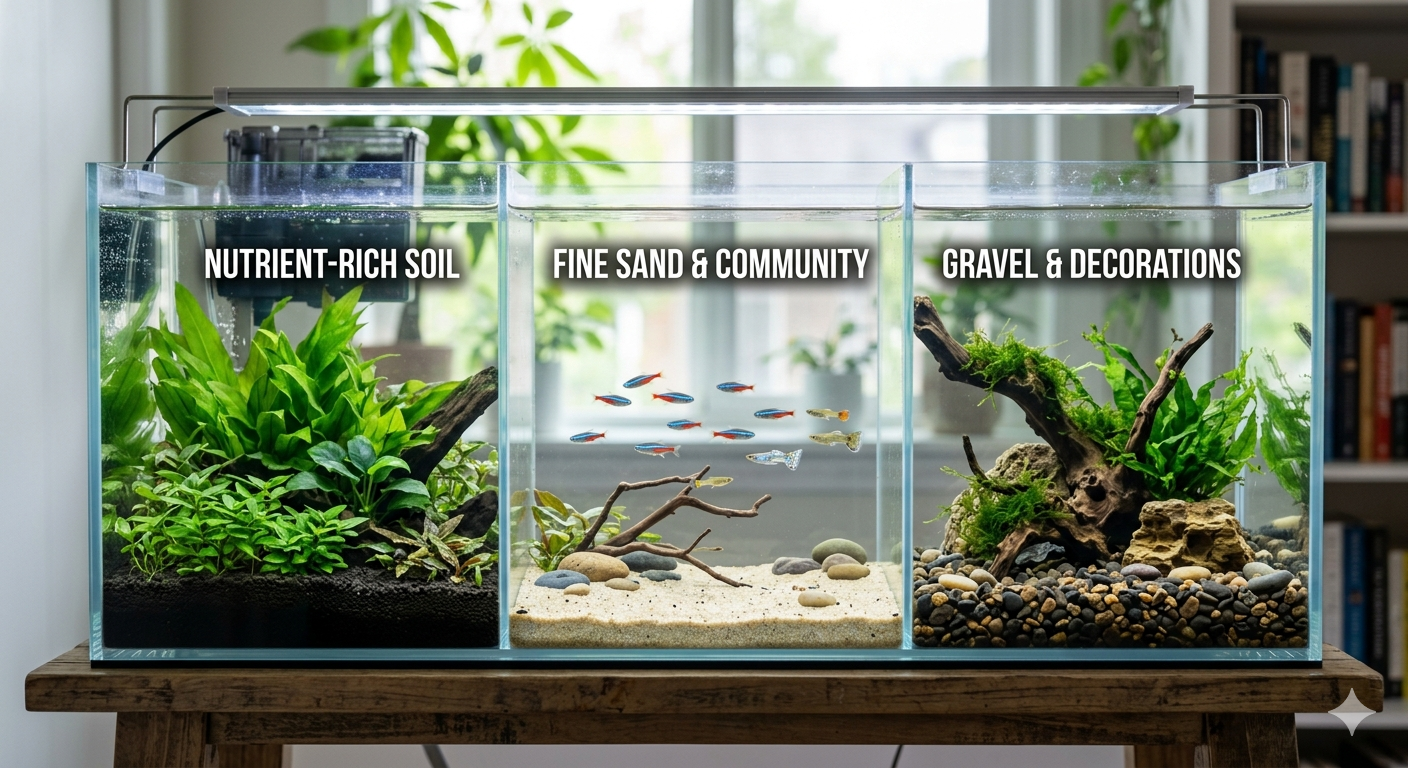
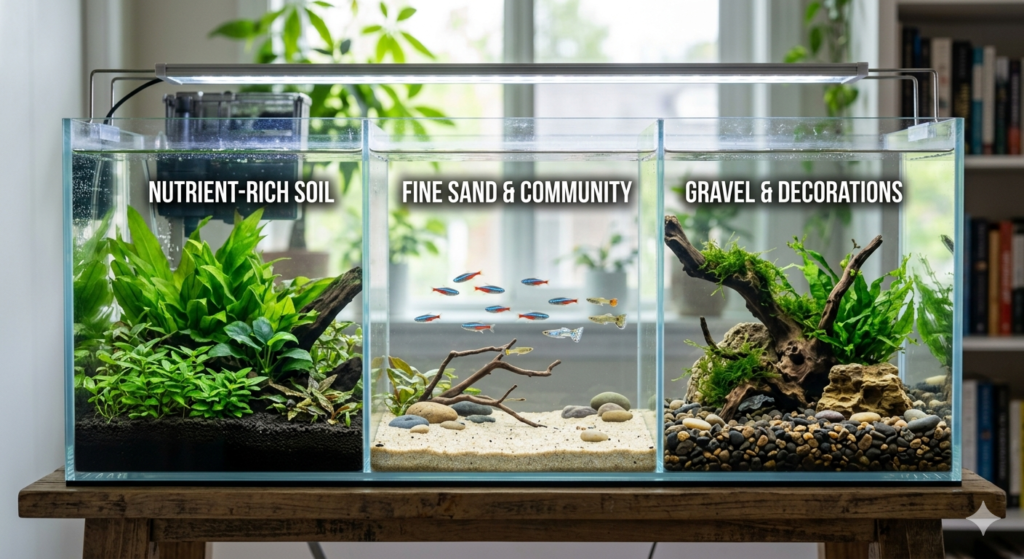
Soil: Best for plant growth but requires careful setup
Sand: Great for natural look and bottom-dwelling fish
Gravel: Easy to use and beginner-friendly
Each option has its own strengths depending on your aquarium goals.
🛠️ How to Prepare Natural Substrates
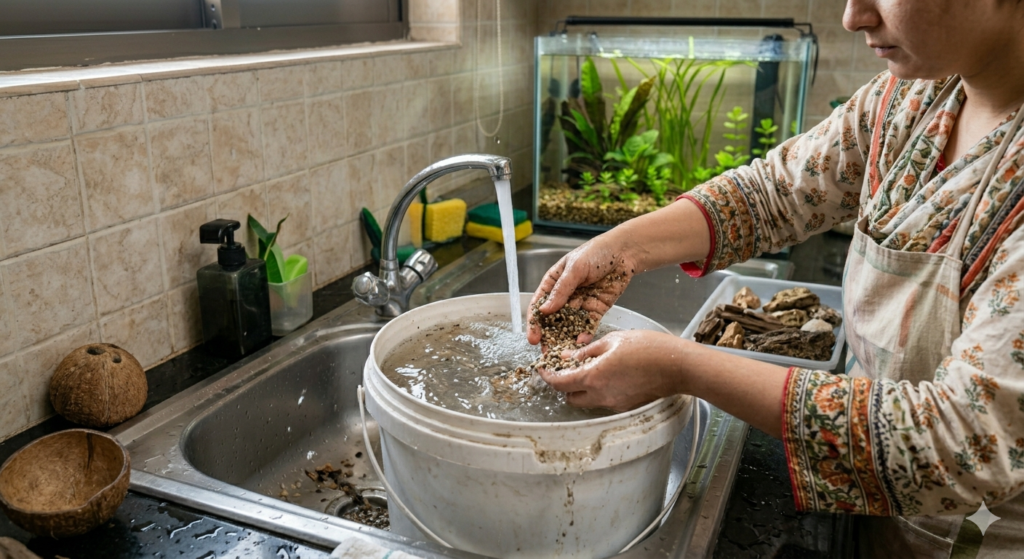
Proper preparation is essential to avoid cloudiness and contamination:
For Soil:
Rinse lightly if needed
Avoid chemical-treated soil
Layer with sand or gravel on top to prevent clouding
For Sand:
Wash thoroughly until water runs clear
Remove dust and fine particles
For Gravel:
Rinse multiple times before adding
Remove debris and dust
⚠️ Common Mistakes to Avoid
Using unwashed sand or gravel
Choosing chemically treated soil
Using sharp gravel that can injure fish
Not layering soil properly in planted tanks
Skipping rinsing, which causes cloudy water
🌿 Best Substrate Setup for Budget Tanks
For a simple and effective setup:
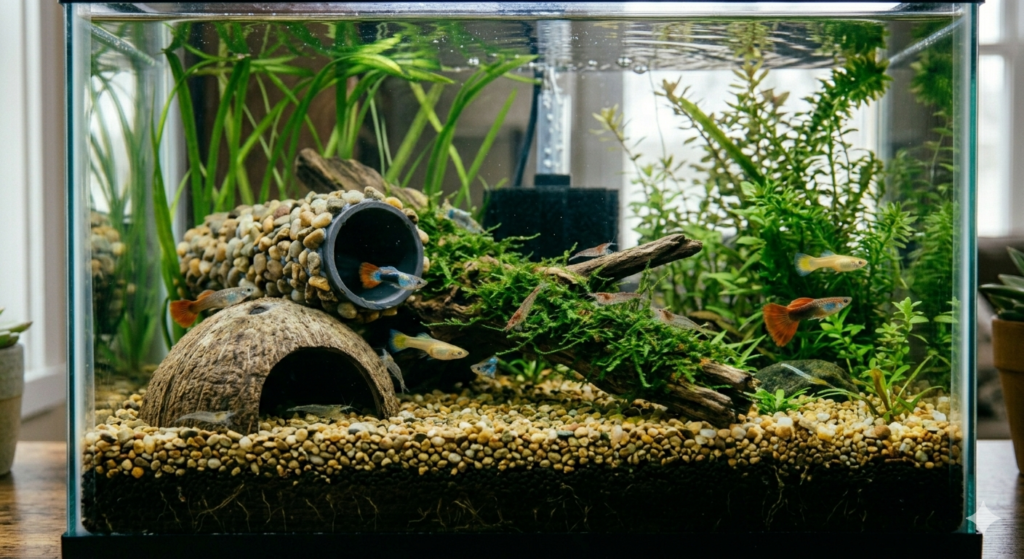
Bottom layer: Nutrient-rich soil
Top layer: Sand or fine gravel cap
This combination supports plants while keeping water clean
This layered approach is ideal for low-cost planted aquariums.
🎯 Final Thoughts
Choosing natural substrate options like soil, sand, and gravel is one of the smartest ways to build a budget-friendly aquarium. These materials are affordable, widely available, and suitable for both beginner and advanced aquarists.
Whether you prioritize plant growth, fish comfort, or ease of maintenance, there’s a substrate option that fits your needs without breaking the bank.
 1
1