Regular water changes are one of the most important parts of maintaining a healthy aquarium. The good news is that you don’t need expensive tools or chemicals to do it effectively. With a simple setup and basic household items, you can keep your tank clean, safe, and thriving on a budget.
In this SEO-optimized guide, you’ll learn how to do aquarium water changes without spending on expensive products, using simple, affordable, and beginner-friendly methods.
💡 Why Water Changes Are Important
Water changes help maintain a stable environment by:
✔ Removing toxins like ammonia and nitrates
✔ Diluting waste and uneaten food
✔ Preventing algae growth
✔ Improving oxygen levels
✔ Keeping fish healthy and stress-free
Even in a low-tech or budget aquarium, water changes are essential for long-term success.
🛠️ What You Need (Budget-Friendly Tools)
You don’t need expensive equipment. Here are simple alternatives:
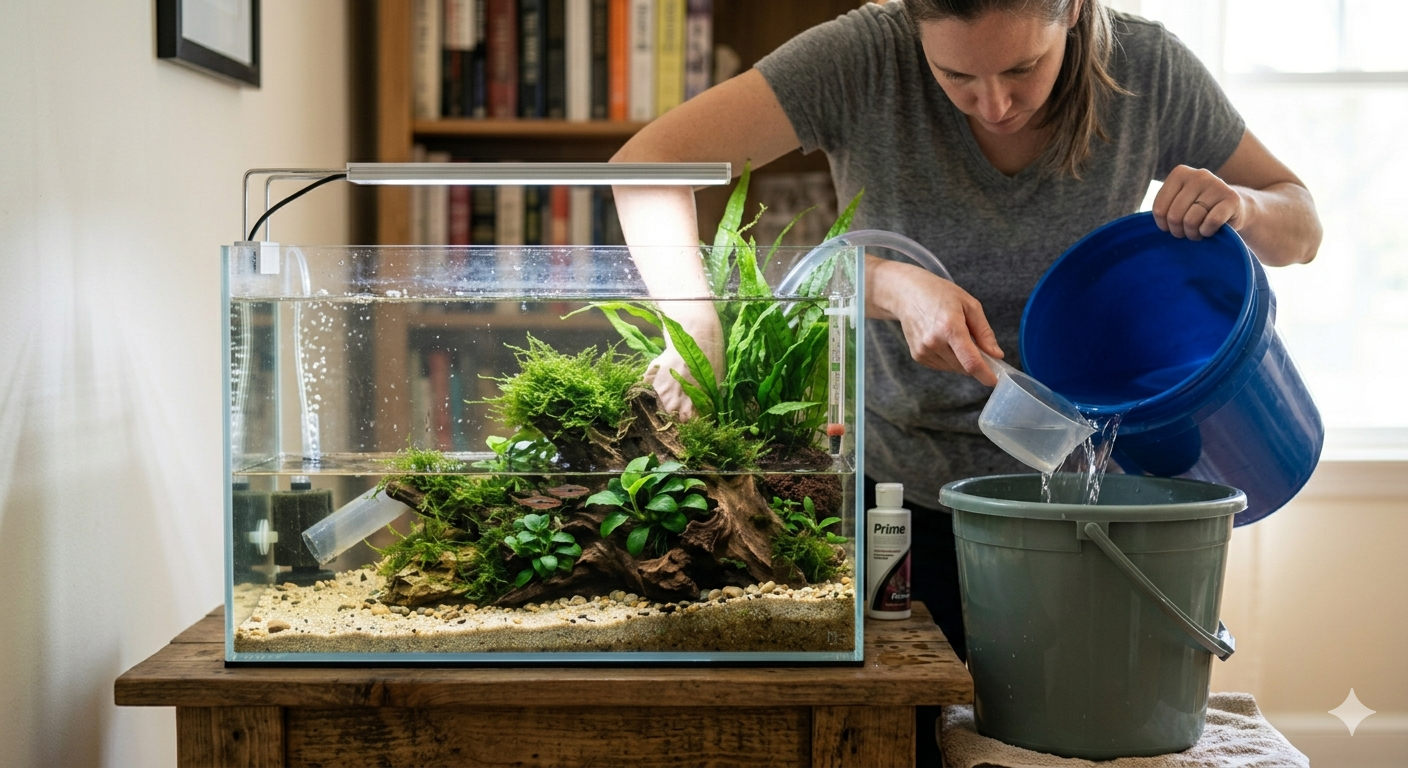
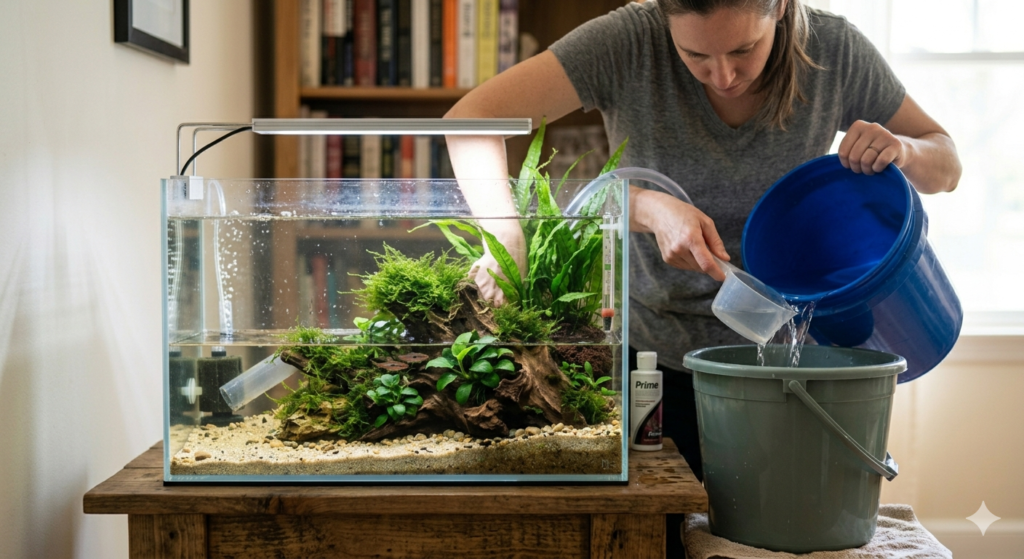
A bucket (clean and dedicated for aquarium use)
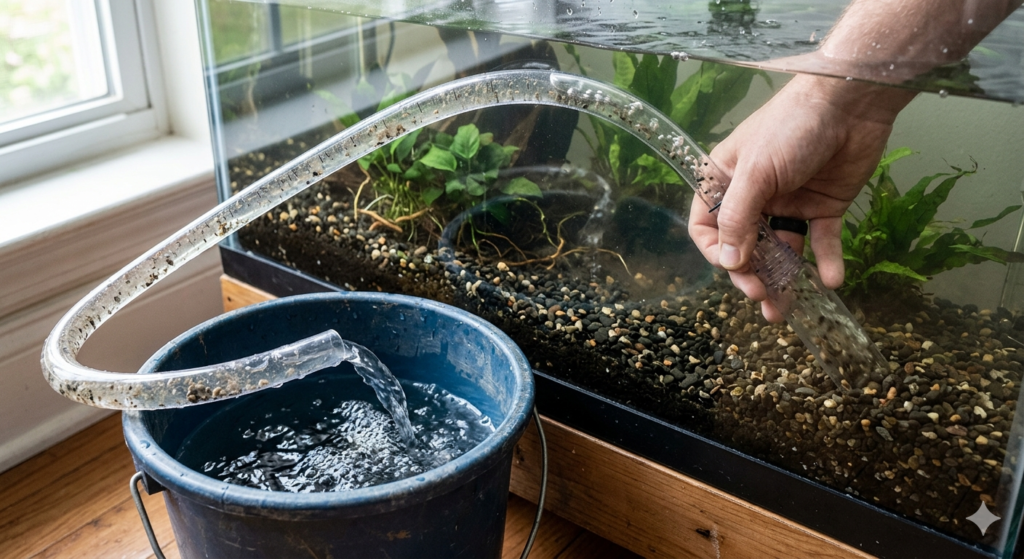
A small hose or siphon (DIY or basic tubing)
A cup or jug (for small tanks)
Tap water (treated if needed)
A clean cloth or sponge for wiping glass
💡 You can even make a DIY siphon using plastic tubing from a hardware store.
🚰 Step-by-Step: How to Do a Water Change
1. Turn Off Equipment
Switch off filters, heaters, and pumps before starting.
2. Remove Old Water
Use one of the following methods:
Bucket Method: Scoop water out using a cup or jug
Siphon Method: Use tubing to drain water directly into a bucket
DIY Siphon: Start suction by filling the tube with water and letting gravity do the work
💡 Aim to remove 20–30% of the tank water.
3. Clean the Substrate (Optional but Recommended)
While removing water:
Gently disturb the gravel or sand
Use a siphon to remove debris and waste
Avoid deep cleaning all areas at once to preserve beneficial bacteria
4. Prepare Fresh Water
Use tap water at room temperature
Let it sit for a few hours if possible
Match the temperature to your tank water
💡 If your tap water contains chlorine, let it sit uncovered for 24 hours or use simple natural methods to reduce chlorine (like aeration).
5. Add Fresh Water Slowly
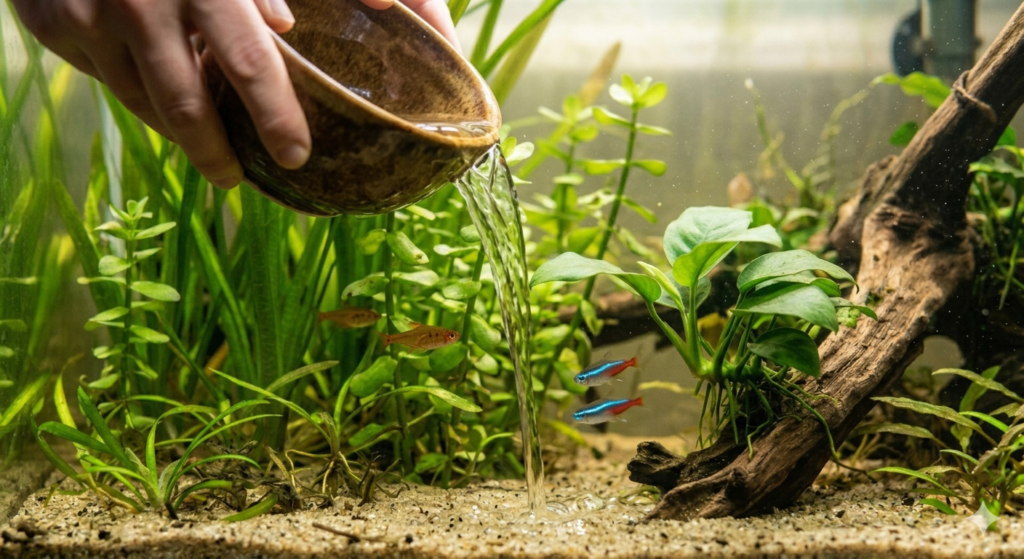
Pour water gently into the tank
Avoid disturbing plants or substrate
Use a plate or bowl to diffuse the water flow if needed
6. Restart Equipment
Turn filters and heaters back on after refilling the tank.
🌿 Natural Ways to Maintain Water Quality
You can reduce the need for frequent expensive treatments by:
Adding live plants (they absorb waste)
Avoiding overfeeding fish
Maintaining proper stocking levels
Performing regular small water changes instead of large ones
📅 How Often Should You Do Water Changes?
Small tanks: 20–30% weekly
Heavily stocked tanks: 2 times per week
Low-tech planted tanks: once weekly or biweekly
Consistency is more important than the size of each change.
❌ Common Mistakes to Avoid
Changing 100% of the water (destroys beneficial bacteria)
Using untreated chlorinated water directly
Adding cold or hot water that shocks fish
Cleaning everything at once (filters, substrate, decor)
Overfilling the tank too quickly
💰 Budget Tips for Water Changes
Reuse clean buckets instead of buying specialized gear
Use simple tubing instead of branded siphons
Avoid unnecessary chemical conditioners when possible
Collect and reuse water for plants if safe
🎯 Final Thoughts
Doing aquarium water changes doesn’t require expensive products or complicated tools. With a simple bucket, basic tubing, and consistent routine, you can maintain a clean and healthy aquarium on a budget.
By following these steps and focusing on regular maintenance, your fish will thrive, your plants will grow, and your aquarium will stay balanced naturally.
 1
1