Buying a second-hand aquarium is one of the smartest ways to start fishkeeping on a budget. You can save 50–70% of the cost compared to buying new—but only if you know what to look for.
Many beginners rush into buying used tanks and end up with leaks, broken equipment, or hidden damage, which can cost more than buying new.
In this complete guide, you’ll learn:
What to check before buying a used aquarium
Red flags to avoid
How to save money without taking risks
🐠 Why Buy a Second-Hand Aquarium?
Buying used can be a great deal because:
Tanks and equipment are often sold cheap
Many hobbyists upgrade and sell perfectly usable setups
You can get bundles (tank + filter + heater) at low prices
👉 But not all deals are good deals
✅ What to Check Before Buying a Used Aquarium
1. Glass Condition (Most Important)
What to check:
Cracks or chips (especially near edges)
Scratches that affect visibility
Why it matters:
Even small cracks can lead to leaks or tank failure
👉 Avoid any tank with cracks—no exceptions
2. Silicone Seals
What to check:
Seals should be smooth and intact
No peeling, bubbles, or gaps
Why it matters:
Weak seals = water leaks
👉 Re-sealing is possible, but it takes time and effort
3. Leak Test (If Possible)
What to do:
Fill the tank with water and leave it for 24 hours
Why it matters:
Ensures the tank holds water safely
👉 If the seller refuses, consider it a red flag
4. Tank Age
Ask the seller:
How old is the aquarium?
How often was it used?
Why it matters:
Older tanks may have weakened seals
👉 Tanks older than 5–7 years should be checked carefully
5. Scratches and Visibility
What to check:
Light scratches = okay
Deep scratches = avoid
Why it matters:
Affects the look of your aquarium
6. Included Equipment
Many used deals include:
Filter
Heater
Lights
Check:
Are they working?
Any visible damage?
👉 Always test equipment before buying
7. Filter Condition
What to check:
Motor noise
Water flow strength
Why it matters:
A bad filter = extra cost
👉 Sometimes it’s cheaper to replace than repair
8. Heater Safety
What to check:
Cracks in glass
Temperature control working
Why it matters:
Faulty heaters can kill fish
👉 If unsure, buy a new heater (they’re affordable)
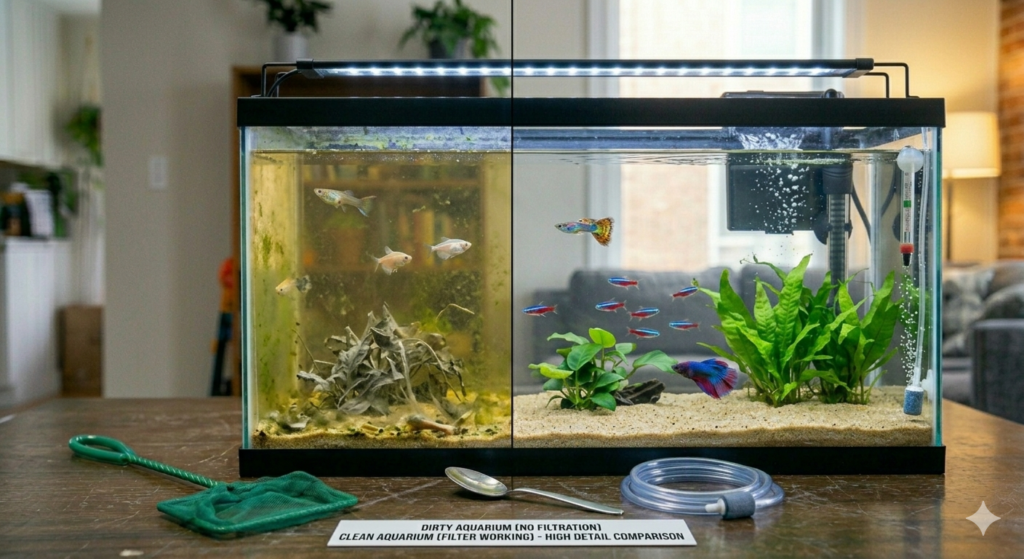
9. Smell and Cleanliness
What to check:
Strong bad smell
Algae buildup
Why it matters:
Indicates poor maintenance
👉 A dirty tank is okay—but not a damaged one
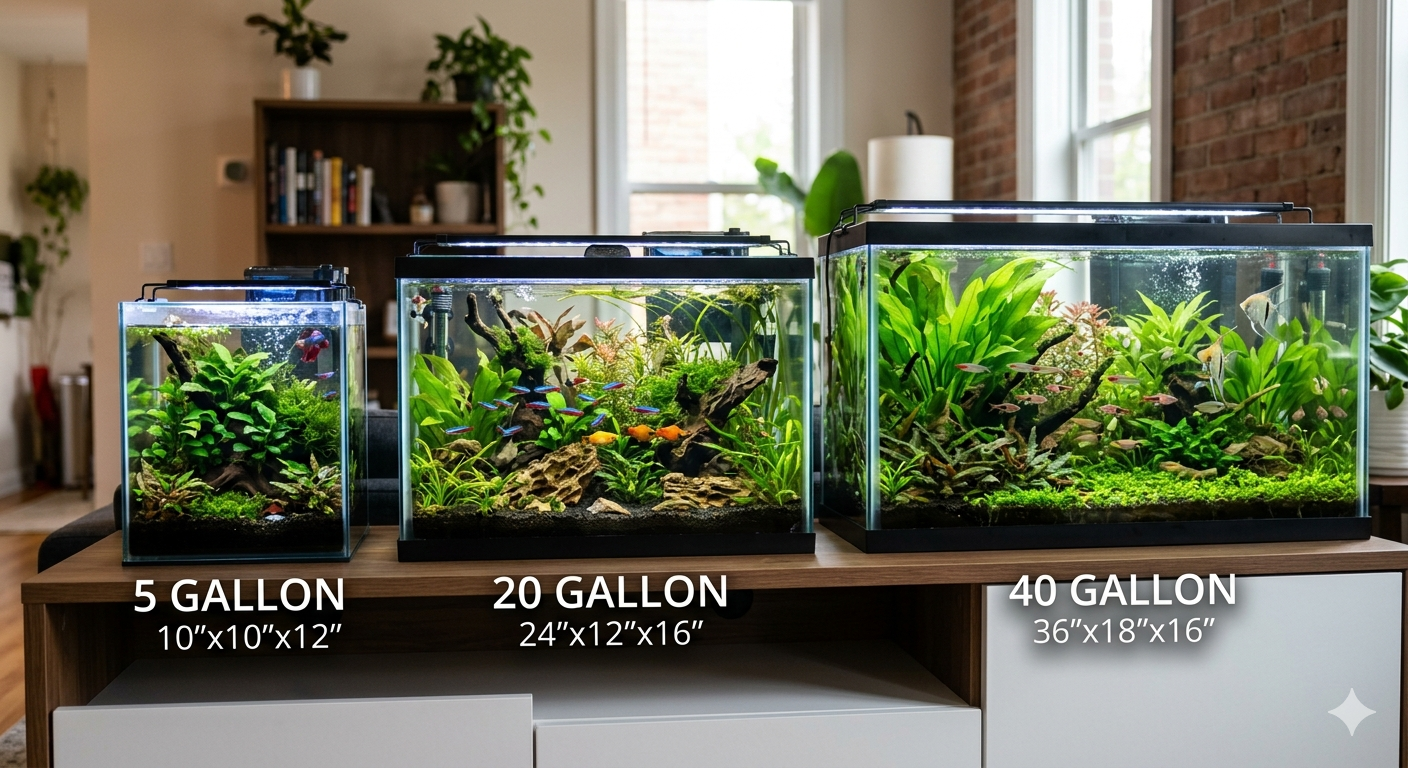
10. Tank Size vs Price
Compare prices:
Check new tank prices before buying used
👉 Sometimes “cheap” used tanks are not actually cheap
🚫 Red Flags to Avoid
Avoid buying if you see:
Cracked glass
Weak or peeling silicone
Seller refuses leak test
Extremely low price (too good to be true)
Broken equipment included
👉 These usually lead to more spending later
💰 How Much Can You Save?
Typical savings:
Tank only → 30–50% cheaper
Full setup → 50–70% cheaper
👉 Best deals are complete setups from hobbyists upgrading
🧠 Pro Tips for Buying Used Aquariums
✔ Buy Bigger Tanks Used
Large tanks are:
Expensive new
Cheap used
👉 Great opportunity to save money
✔ Negotiate the Price
Most sellers expect negotiation
👉 Ask for a lower price if:
Equipment is old
Tank has scratches
✔ Prefer Local Pickup
Shipping can damage tanks
👉 Always inspect in person if possible
✔ Clean Before Use
Always clean the tank with:
Water
Vinegar (safe option)
👉 Avoid soap or chemicals
✔ Replace Cheap Parts
Even if included:
Old filter media
Heater
👉 Replacing small items ensures safety
📊 Used vs New Aquarium Comparison
Feature
Used Tank
New Tank
Price
Low
High
Condition
Varies
Perfect
Risk
Medium
Low
Value
High (if checked)
Standard
🐟 Example Budget Setup (Used)
You might get:
30-gallon tank
Filter
Heater
Light
👉 For the price of a new 10–15 gallon tank
🚫 Common Mistakes When Buying Used
Not checking for leaks
Trusting seller blindly
Ignoring silicone condition
Overpaying for old equipment
Skipping inspection
👉 These mistakes can turn a “cheap deal” into a costly problem
🧠 Final Thoughts
Buying a second-hand aquarium is one of the best ways to save money—but only if you’re careful.
By checking the right things, you can:
Get a high-quality setup at a low price
Avoid hidden problems
Start your aquarium journey affordably
✅ Golden Rule
“If the tank leaks or cracks, it’s not a deal—it’s a disaster.”
 1
1